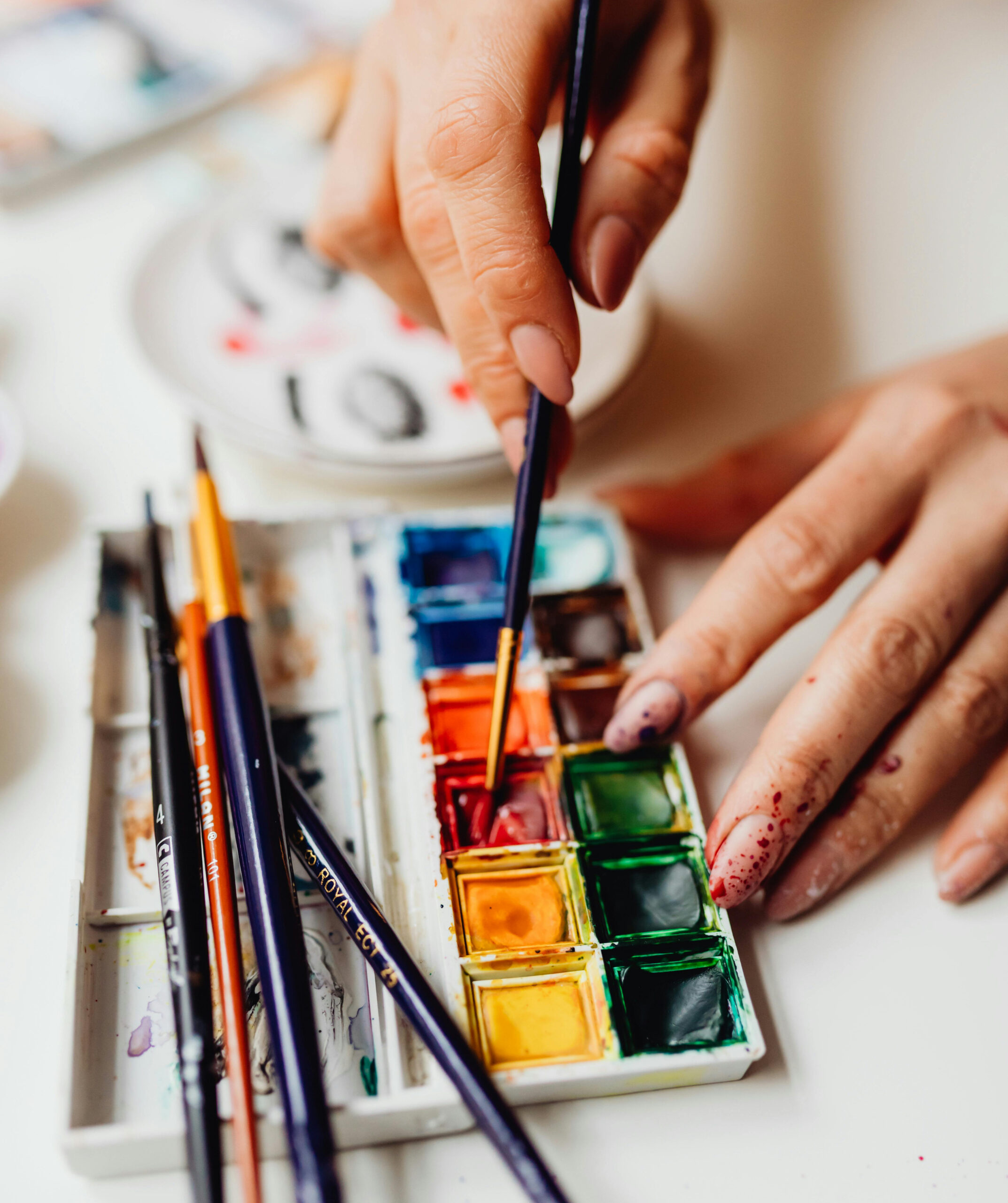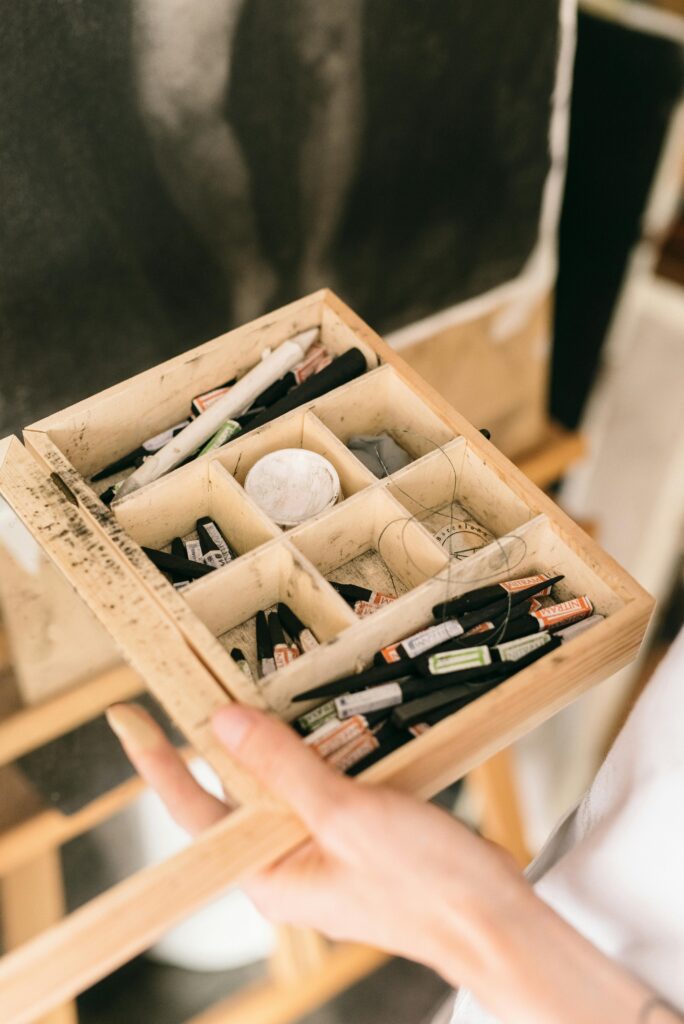
Getting into traditional painting, after working primarily with digital, was certainly a challenge (still a challenge) for me but I have been enjoying every minute of it. I started with watercolor but since then, have been practicing with inks, pencils and just recently, pastels. Combining traditional with digital, is another goal.
The free flow of it has been very nice…
One of the most rewarding aspects of creating art is the freedom to experiment with different mediums. Each medium offers its own unique characteristics, challenges, and expressive possibilities. Whether you are a beginner or an experienced artist, exploring a variety of materials can deepen your understanding of artistic techniques and expand your creative voice.
Understanding What a Medium Is…
In art, a medium refers to the material or method used to create a piece. This can range from traditional options like graphite, ink, and oil paint to more contemporary approaches such as digital tools or mixed media. Each medium interacts differently with surfaces, responds uniquely to pressure or layering, and produces distinct visual effects.
Traditional Mediums and Their Strengths…
Drawing mediums like pencil and charcoal are often the starting point for many artists. They are accessible, versatile, and ideal for studying form, shading, and composition. Charcoal, for example, allows for bold contrasts and expressive marks, while graphite offers precision and subtle tonal variation.
Painting mediums introduce color and texture into the creative process…
Watercolors are known for their transparency and fluidity, encouraging spontaneity and careful planning. Acrylic paints dry quickly and are highly adaptable, making them suitable for both beginners and professionals. Oil paints, while slower to dry, provide rich color depth and allow for extended blending and layering.
Digital Art as a Modern Medium…
With advancements in technology, digital art has become a prominent medium. Using tablets and software, artists can simulate traditional tools or create entirely new effects. Digital mediums offer flexibility, easy editing, and access to a wide range of brushes and textures without the need for physical supplies. However, they also require learning new tools and workflows.
The Power of Mixed Media…
Mixed media combines multiple materials within a single artwork. This approach encourages experimentation and innovation, allowing artists to layer paint, collage elements, ink, and even found objects. Mixed media pieces often have a tactile, multidimensional quality that invites closer inspection and interpretation.
Choosing the Right Medium…
Selecting a medium depends on your goals, style, and comfort level. Some artists prefer the control of drawing tools, while others are drawn to the unpredictability of watercolor or the richness of oils. Trying different mediums helps you discover what resonates most with your creative instincts.
Embracing Experimentation…
Working across different mediums can improve technical skills and inspire new ideas. Techniques learned in one medium often translate into another, leading to unexpected breakthroughs. For example, understanding light and shadow in charcoal can enhance painting skills, while digital experimentation can influence traditional compositions.
Conclusion…
Exploring different art mediums is not just about learning new tools, it is about expanding the way you see and create. Each medium offers a new perspective and set of possibilities. By stepping outside your comfort zone and experimenting with a variety of materials, you can develop a more versatile and expressive artistic practice.
And if nothing else…it gives us an excuse to buy more art supplies 🙂
Until next time…